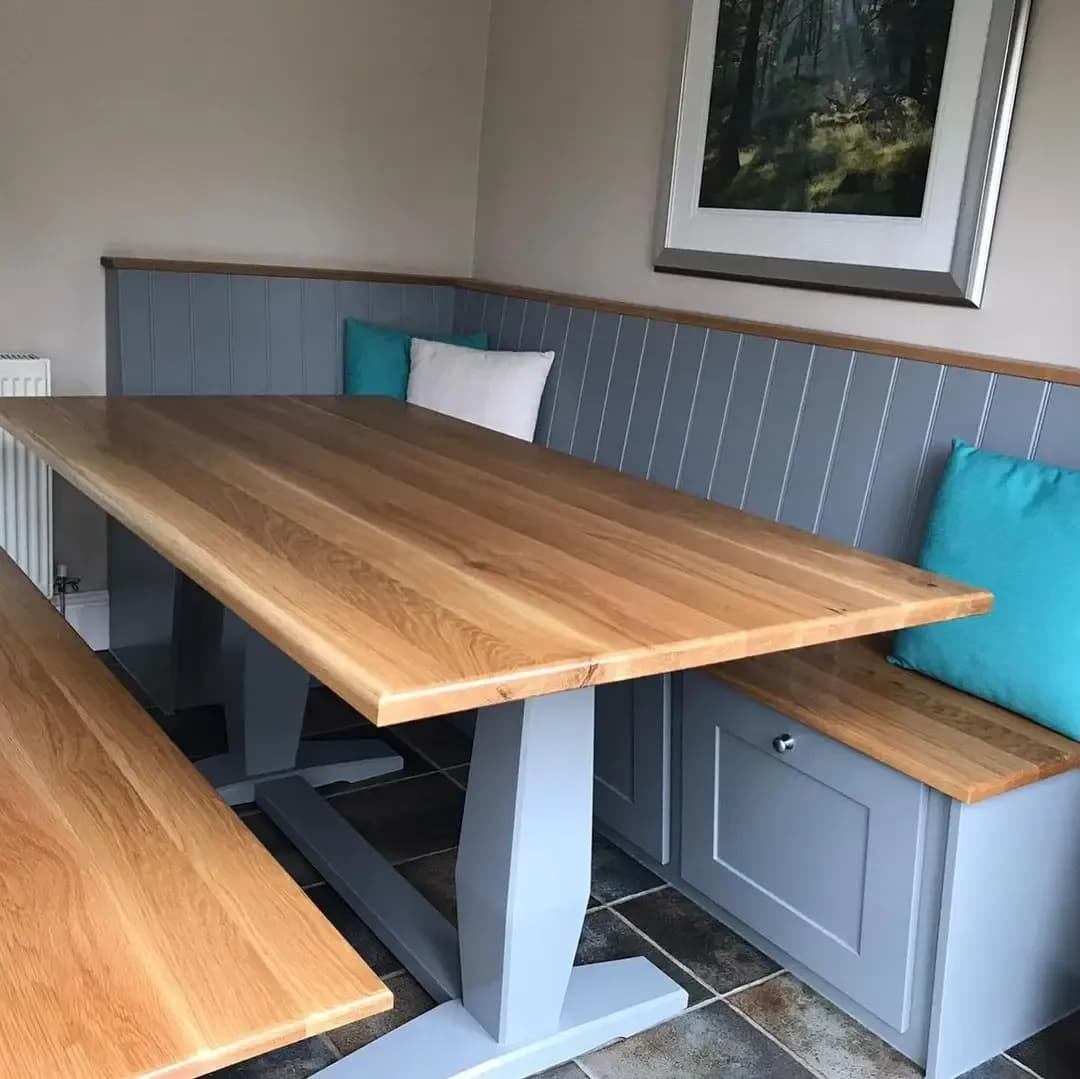
Architectural Excellence: The Art of Master Carpentry & Joinery Works
Architectural Excellence: The Art of Master Carpentry & Joinery Works
When you walk into a truly magnificent home, it isn't just the furniture or the paint color that catches your eye. It is the underlying architecture—the way the walls transition flawlessly to the ceiling, the grandeur of a sweeping timber staircase, and the deep, textured shadows cast by intricate wall paneling. This foundational beauty is the direct result of expert carpentry and master joinery works.
While often used interchangeably in casual conversation, carpentry and joinery represent two distinct, highly specialized halves of the woodworking trade. Together, they form the structural backbone and the aesthetic soul of high-end residential and commercial construction. In this in-depth guide, we will explore the nuances of these crafts and how integrating architectural woodwork can dramatically elevate the elegance and value of your property.
Demystifying the Trades: Carpentry vs. Joinery
To appreciate the scope of this work, it is important to understand the traditional distinction between a carpenter and a joiner, though modern master woodworkers often possess the skills of both.
Joinery is the art of creating the components. A joiner typically works in a controlled workshop environment, utilizing heavy, stationary machinery like planers, thicknessers, and spindle molders. They focus on creating complex joints (mortise and tenon, dovetails, lap joints) without the use of metal fasteners. A joiner builds the intricate pieces: the heavy solid wood doors, the custom window frames, the complex stair stringers, and the bespoke architectural moldings.
Carpentry is the art of installation and structural building. Carpenters work "on-site." They take the beautifully crafted components made by the joiner and install them perfectly into the imperfect, often un-level environment of a real building. Carpenters also handle the "first fix" work, which involves the heavy, load-bearing structural timber framing—the floor joists, the roof trusses, and the stud walls that hold the house together.
The Power of the "Second Fix": Architectural Trim and Millwork
The most visible aspect of residential carpentry is known as the "second fix." This encompasses all the finishing woodwork that happens after the drywall is plastered and dried. It is here that a home transforms from a basic box into a space of immense character.
1. Wainscoting and Wall Paneling
Nothing screams luxury quite like custom wall paneling. From traditional raised-panel wainscoting that lines a formal dining room to sleek, modern, floor-to-ceiling board-and-batten treatments in a living space, paneling adds incredible architectural depth. It breaks up large, monotonous expanses of drywall, protects the lower half of the walls from scuffs and chair damage, and provides a beautiful textural element that catches ambient light.
2. Crown Molding and Skirting Boards
Standard builder-grade homes often feature tiny, two-inch baseboards and no crown molding. Upgrading to tall, thick skirting boards (baseboards) and complex, multi-tiered crown molding at the ceiling instantly raises the perceived value of the home.
Master carpenters excel in this installation, utilizing a technique called "coping" for inside corners. Rather than simply cutting two pieces of wood at a 45-degree angle (which will inevitably pull apart when the house settles or winter air dries out the wood), a coped joint involves intricately carving the profile of one molding to perfectly overlap the other, ensuring a seamless, gap-free corner that lasts decades.
The Pinnacle of Joinery: Custom Timber Staircases
Building a custom staircase is universally considered the most mathematically demanding and technically difficult task in all of woodworking. It requires a flawless understanding of structural geometry, load distribution, and strict building code compliance.
A master joiner and carpenter team can replace squeaky, carpeted builder-stairs with a breathtaking solid timber staircase. Whether it is a grand, sweeping curved oak staircase with intricate wrought-iron balusters, or a minimalist "floating" staircase with thick walnut treads and invisible structural supports, a custom staircase acts as the central architectural monument of your home.
Crucially, expert joinery ensures the stairs are safe and silent. By utilizing properly routed stringers, glued wedges, and precise interlocking joints, carpenters eliminate the wood-on-nail friction that causes stairs to squeak as they age.
Heritage Restoration and Period Authenticity
For owners of historic or period properties, generic hardware store moldings simply will not do. When renovating a 100-year-old Victorian or Craftsman home, preserving the architectural integrity is paramount.
Master joinery works include historic restoration. If an original piece of intricate wooden trim is damaged by water or rot, a master joiner can have custom high-speed steel blades ground to match the exact, historic profile of the 19th-century molding. They can seamlessly splice new timber into old frames, utilizing period-accurate joinery techniques to restore the woodwork to its original glory without losing the home's historic soul.
A Lasting Impact on Property Value
Investing in high-quality carpentry and joinery is one of the most effective ways to increase a property’s market value. Real estate appraisers and prospective buyers immediately recognize the difference between cheap, glued-on MDF trim and heavy, perfectly coped solid wood moldings.
Architectural woodwork communicates a message of uncompromising quality, structural soundness, and timeless elegance. By integrating master carpentry and joinery into your renovation plans, you are fundamentally upgrading the DNA of your home.